

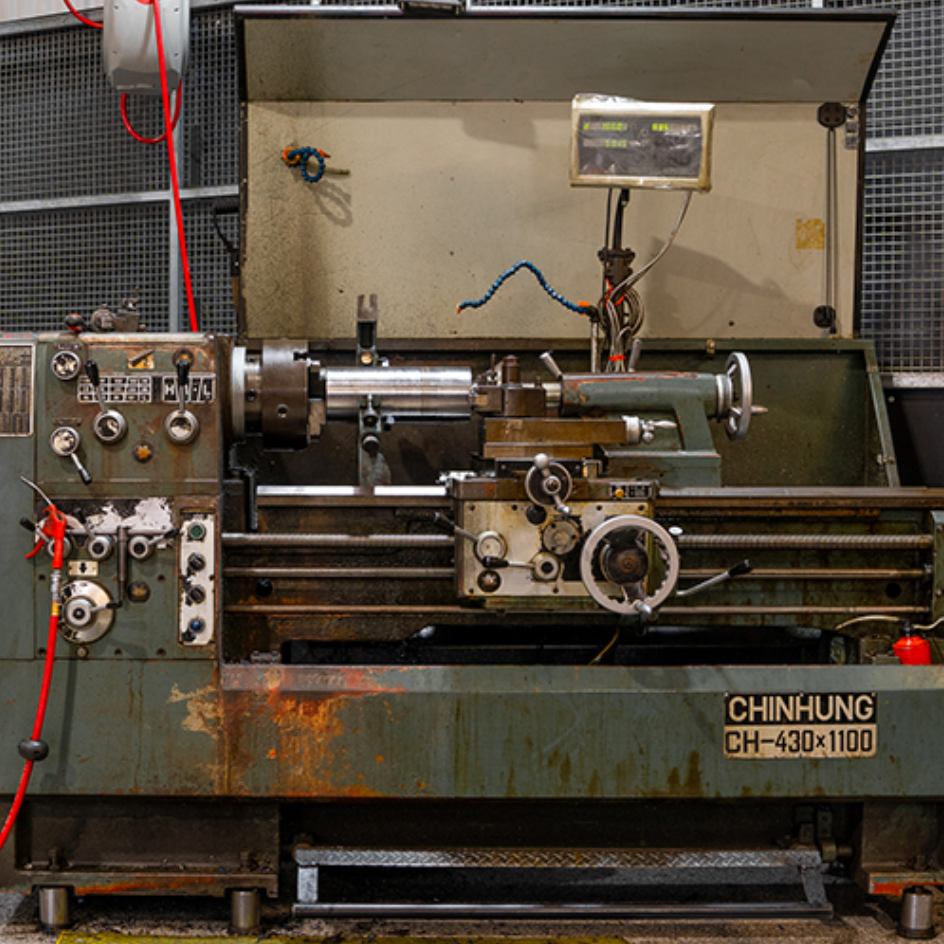
For small businesses, manufacturers, and maintenance teams, controlling costs and meeting tight deadlines is essential. While CNC machining is ideal for high-volume production, manual machining remains one of the most efficient and cost-effective solutions for one-off jobs, repairs, and small batch work. When used in the right situations, manual machining can significantly reduce both turnaround time and overall project costs.
What Is Manual Machining?
Manual machining is a traditional machining process where skilled machinists operate equipment such as lathes, milling machines, drills, and grinders by hand. Unlike CNC machining, manual machining does not rely on computer programming, allowing machinists to respond quickly to job requirements and make real-time adjustments.
This approach is commonly used for:
- Custom one-off components
- Machinery repairs and breakdown work
- Modifications and rework
- Prototyping
- Low-volume production
Faster Turnaround Without Programming Delays
One of the biggest time-saving advantages of manual machining is the absence of CNC programming. CNC jobs often require time-consuming CAD/CAM programming before machining can begin. For small businesses, this setup time can delay urgent work.
With manual machining, jobs can start almost immediately. This makes it ideal for urgent repairs, breakdowns, and time-critical components, helping businesses reduce downtime and keep operations running.
Lower Setup Costs for Small Jobs
Manual machining is far more economical for small quantities. CNC machining involves setup costs related to programming, tooling, and machine calibration. For one-off or short-run jobs, these costs can exceed the value of the part itself.
Manual machining keeps setup simple and efficient, making it a cost-effective choice for small businesses that don’t require mass production.
Ideal for Repairs and Breakdown Machining
When equipment fails, waiting for replacement parts can be costly. Manual machining allows damaged or worn components to be:
- Repaired
- Re-machined
- Modified
- Recreated when original parts are unavailable
This approach often saves businesses thousands of dollars by extending the life of existing machinery instead of replacing complete assemblies.
Greater Flexibility and Design Control
Small businesses frequently deal with custom designs or last-minute changes. Manual machining allows machinists to adjust dimensions, tolerances, and fits during the machining process. This flexibility reduces rework, prevents material waste, and ensures parts fit correctly the first time.
This adaptability is particularly valuable during prototyping and custom fabrication projects.
Reduced Material Waste
Manual machining is guided by skilled operators who can monitor progress and make adjustments as needed. This level of control helps reduce errors and minimise material waste, especially when working with expensive metals or specialised materials. Less waste means lower costs and better efficiency.
Perfect for Prototyping and One-Off Parts
Manual machining is often the fastest way to produce prototypes. Small businesses can test designs, make improvements, and finalise components before committing to larger production runs. This saves both time and money and reduces the risk of costly mistakes.
Skilled Machinists Add Real Value
The true strength of manual machining lies in the experience and problem-solving ability of skilled machinists. Their knowledge allows them to:
- Solve complex repair challenges
- Suggest design improvements
- Achieve precision without automation
For small businesses, this expertise delivers better results at a lower cost.
Manual Machining vs CNC: When Cost Matters
Manual machining is best suited for:
- One-off jobs
- Repairs and breakdowns
- Small batch production
- Tight budgets
- Custom components
CNC machining is ideal for large-scale, repeat production. Understanding when to use each method helps small businesses make smarter, more cost-effective decisions.
Final Thoughts
Manual machining remains a vital service for small businesses looking to save time and control costs. With faster turnaround, lower setup expenses, greater flexibility, and reliable repair solutions, manual machining continues to be an essential part of modern manufacturing and maintenance.
For businesses that value efficiency, adaptability, and precision, manual machining offers a practical and economical solution.